
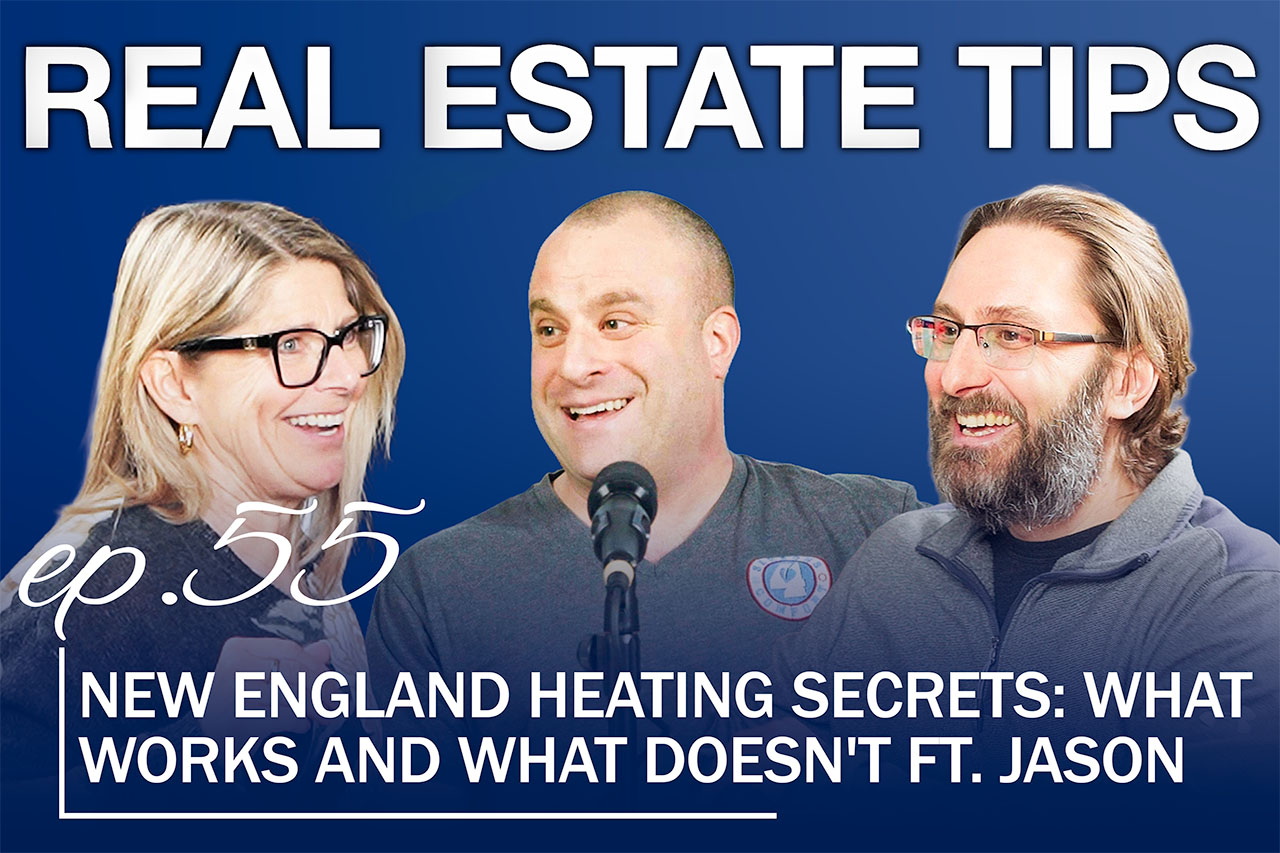
Episode 55: New England Heating Secrets — What Works & What Doesn’t ft. Jason
When it comes to owning a home in New England, few things matter more than having an efficient, reliable heating system. In Episode 55 of Real Estate Tips with Lana & Mark, Jason joins the podcast for an insightful conversation about the realities of heating homes in the Northeast — including what systems work best, common misconceptions homeowners have, and the costly mistakes people often make.
With New England’s long winters, fluctuating temperatures, and abundance of older homes, heating is far more than just a seasonal concern. It impacts comfort, energy costs, home value, and long-term maintenance. Throughout the episode, Lana, Mark, and Jason break down the differences between today’s most common heating systems while offering practical advice homeowners can actually use.
Why Heating Matters So Much in New England
Unlike other parts of the country, New England homes face unique challenges. Many properties were built decades ago — some even over a century ago — meaning homeowners are often dealing with aging insulation, drafty windows, older ductwork, or outdated systems that simply were not designed for modern energy efficiency standards.
One of the biggest takeaways from this episode is that heating efficiency is not only about the equipment itself. A home’s insulation, airflow, maintenance, and overall construction all play a major role in how effectively a system performs.
Jason explains that many homeowners immediately jump to replacing a furnace or boiler when utility bills rise, but sometimes the bigger issue is actually heat loss throughout the home. Addressing drafts, sealing leaks, and improving insulation can often make a dramatic difference in both comfort and monthly expenses.
Boilers vs. Furnaces vs. Heat Pumps
The episode dives into several of the most common heating systems found throughout New England homes.
Boilers
Boiler systems remain extremely common throughout older New England properties. These systems use hot water or steam distributed through radiators or baseboard heating.
Benefits of boilers include:
- Consistent, comfortable heat
- Quiet operation
- Long system lifespan
- Reduced airborne allergens compared to forced air systems
However, older boiler systems can become inefficient over time if not properly maintained.
Forced Hot Air Furnaces
Forced air systems distribute heated air through ductwork and vents throughout the home.
Advantages include:
- Faster heating response times
- Easier integration with central air conditioning
- Improved filtration options
- Simpler zoning capabilities in some homes
The conversation also highlights that poorly maintained ductwork can reduce efficiency and create uneven temperatures throughout a home.
Heat Pumps & Mini Splits
One of the most talked-about topics in today’s market is the rise of heat pumps and ductless mini-split systems.
For years, many homeowners believed heat pumps could not effectively handle harsh New England winters. Jason explains how modern cold-climate heat pumps have significantly improved and are now capable of operating efficiently even during very low temperatures.
The group discusses why these systems have become increasingly popular due to:
- Improved energy efficiency
- Lower operating costs
- Heating and cooling capabilities in one system
- Flexible zoning
- Potential energy rebates and incentives
At the same time, the episode stresses that no system is perfect for every home. The best heating solution depends on the property’s layout, insulation, age, and the homeowner’s goals.
Common Heating Mistakes Homeowners Make
Throughout the episode, Jason shares several common mistakes homeowners make when evaluating or upgrading their heating systems.
Waiting Too Long for Maintenance
Many homeowners ignore warning signs until a system completely fails during the coldest part of winter. Preventative maintenance is often far less expensive than emergency repairs.
Warning signs can include:
- Rising utility bills
- Uneven heating
- Strange noises
- Frequent cycling
- Dry indoor air
- Rooms that never seem warm enough
Choosing the Cheapest Option
The hosts discuss how selecting the lowest upfront cost can sometimes create higher long-term expenses through inefficient operation, increased repairs, or shorter equipment lifespan.
Ignoring the House Itself
One of the episode’s biggest themes is that heating systems only perform as well as the home allows. Drafts, poor insulation, and leaking ductwork can significantly reduce efficiency regardless of how new the equipment is.
The Importance of Working With Trusted Professionals
Another valuable takeaway from the episode is the importance of working with knowledgeable professionals when evaluating heating systems.
Whether buying a home, selling a property, or planning upgrades, understanding the age, condition, and efficiency of a heating system is critical. Lana and Mark discuss how heating systems often become a major factor during inspections and negotiations in real estate transactions.
For buyers especially, understanding:
- The age of the system
- Maintenance history
- Fuel source
- Efficiency ratings
- Expected replacement timelines
can help avoid major surprises after closing.
Real Estate & Heating Go Hand-in-Hand
In New England real estate, heating systems are not just mechanical features — they directly impact marketability, monthly affordability, and overall buyer confidence.
Homes with updated, efficient systems often stand out in the market, particularly during colder months when buyers are thinking carefully about future utility costs and reliability.
The episode reinforces how important it is for homeowners to stay proactive rather than reactive when it comes to maintaining and upgrading their systems.
Final Thoughts
This episode offers a practical, informative look into one of the most important aspects of homeownership in New England. Lana, Mark, and Jason break down complex heating topics into easy-to-understand conversations that help homeowners make smarter decisions about comfort, efficiency, and long-term value.
Whether you own an older New England home, are considering switching systems, or simply want to better understand how to improve your home’s efficiency, this episode delivers valuable insights homeowners can truly benefit from.
🎧 Be sure to tune in to Episode 55 of Real Estate Tips with Lana & Mark.
Check out My Little Black Book for a list of my trusted service professionals.
I am your local real estate expert Making Realty Dreams Reality. Give me a call at 978-855-9112 or fill out this contact me form to get started on your homeownership journey.



© 2022 Coldwell Banker Residential LLC
© Coldwell Banker 2023 – 2024. All Rights Reserved. Coldwell Banker and the Coldwell Banker logo are trademarks of Coldwell Banker Real Estate LLC. The Coldwell Banker® System is comprised of company owned offices which are owned by a subsidiary of Anywhere Advisors LLC and franchised offices which are independently owned and operated. The Coldwell Banker System fully supports the principles of the Fair Housing Act and the Equal Opportunity Act.
