
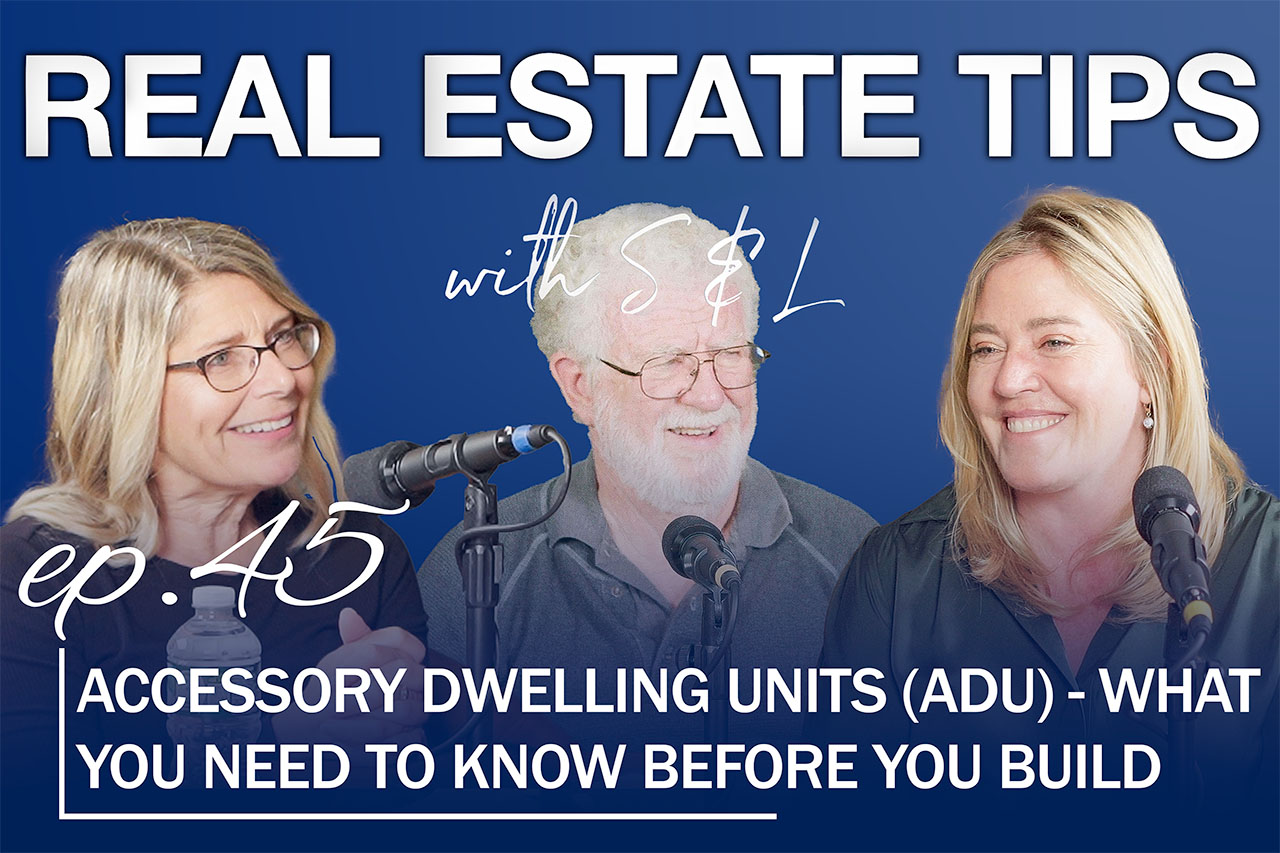
Episode 45: Accessory Dwelling Units (ADUs): What You Need to Know Before You Build
Accessory Dwelling Units — better known as ADUs — have been popping up across Massachusetts and beyond, offering homeowners incredible flexibility in how they use their property. From creating space for aging parents to generating passive income or expanding housing options in tight markets, ADUs have become one of the most strategic ways to elevate both lifestyle and long-term value.
In this episode of Bricks, Bucks & Buying Power, we break down everything you need to know before building an ADU, including the financial upsides, zoning challenges, and the real-life timelines homeowners should expect.
Whether you’re an investor, a homeowner looking to maximize your lot, or someone exploring multi-generational living, this conversation is packed with insights to move you from idea to execution.
What Exactly Is an ADU?
An Accessory Dwelling Unit is a smaller, self-contained living space built on the same lot as an existing single-family home. They come in several forms:
-
Detached units (a standalone structure in the yard)
-
Attached units (like an addition)
-
Interior conversions (basements, attics, or over-garage buildouts)
No matter the style, the purpose is the same: an independent living space with a kitchen, bathroom, and private entrance.
In dense or high-demand areas — like many pockets of Greater Boston — ADUs are becoming a smart way to increase usable space without buying a new home.
Why ADUs Are More Popular Than Ever
Homeowners are increasingly turning to ADUs for a few major reasons:
1. Multi-Generational Living
Housing costs continue to rise, and families are getting creative. ADUs make it possible for parents, adult children, or extended family to live close by while maintaining independence.
2. Rental Income Potential
With Massachusetts' persistent housing shortage, ADUs offer a strong opportunity for supplemental income. Long-term rental? Airbnb? House-hacker setup? The numbers can be compelling — if you plan correctly.
3. Increasing Property Value
An ADU can significantly enhance a home's resale potential. Buyers are drawn to flexible spaces, especially when they’re legally permitted and well designed.
4. Aging in Place
Many homeowners prefer to stay in their community rather than downsize or relocate. ADUs can serve as a future home for the owner or a caregiver.
But Before You Build… Know Your Zoning
This is where the ADU process can get complicated — and where homeowners often underestimate the time, money, and paperwork involved.
Local zoning rules vary widely across towns. Some communities are extremely ADU-friendly, while others have stricter guidelines around:
-
Lot size
-
Setbacks
-
Maximum square footage
-
Parking requirements
-
Design restrictions
-
Owner-occupancy rules
-
Whether short-term rentals are allowed
In this episode, we break down how to interpret these regulations and where homeowners should start before calling a contractor.
The Financial Side: What to Budget For
ADUs can absolutely pay off — but the upfront investment isn’t small. Costs depend on the type of unit and the complexity of your lot, but common expenses include:
-
Architectural plans + engineering
-
Permits + municipal fees
-
Utility tie-ins
-
Excavation + groundwork
-
Framing, plumbing, electrical
-
Interior finishes
-
Landscaping + exterior improvements
We also talk about financing options, including home equity lines, construction loans, renovation loans, and creative strategies investors often use to make the numbers work.
Timelines: What Homeowners Should Expect
Building an ADU isn’t an overnight project. The episode dives into realistic timelines, but here’s a general overview:
-
Planning & Design: 2–4 months
-
Permitting: 1–6 months (depending on your town)
-
Construction: 3–9 months
-
Final inspections + CO: 1–2 months
If everything goes smoothly, the process can take 6–12 months. But in many New England towns, permitting alone can stretch the timeline — something every homeowner should plan for.
Common Pitfalls (and How to Avoid Them)
Building an ADU comes with a few frequent challenges:
-
Underestimating costs
-
Assuming zoning will allow what you want
-
Designing without considering future rental needs
-
Forgetting about parking requirements
-
Over-building for the neighborhood
-
Hiring a contractor without multi-unit experience
In the episode, we share real-world examples of where projects went sideways — and how better planning could have saved tens of thousands of dollars.
Who an ADU Makes Sense For
ADUs can be a smart move for:
-
Investors building long-term wealth
-
Homeowners needing additional income
-
Families accommodating aging parents or boomerang kids
-
Anyone wanting more flexibility on their property
They are not ideal for homeowners who need quick returns, have strict zoning limitations, or aren’t prepared for lengthy permitting processes.
Final Takeaway
ADUs can transform a property — and your financial future — when done strategically. In Episode 45, we walk through the must-knows, the should-knows, and the things most homeowners only realize after they start building.
If you’re considering an ADU or want help assessing whether your lot qualifies, I’d love to guide you. This is one of the smartest ways to add both value and versatility to your home in today’s market.
🎧 Listen to Episode 45 now!
Have questions about real estate? I’m always happy to help—let’s connect.
Watch on YouTube or listen wherever you get your podcasts!
Check out My Little Black Book for a list of my trusted service professionals.
I am your local real estate expert Making Realty Dreams Reality. Give me a call at 978-855-9112 or fill out this contact me form to get started on your homeownership journey.



© 2022 Coldwell Banker Residential LLC
© Coldwell Banker 2023 – 2024. All Rights Reserved. Coldwell Banker and the Coldwell Banker logo are trademarks of Coldwell Banker Real Estate LLC. The Coldwell Banker® System is comprised of company owned offices which are owned by a subsidiary of Anywhere Advisors LLC and franchised offices which are independently owned and operated. The Coldwell Banker System fully supports the principles of the Fair Housing Act and the Equal Opportunity Act.
